Top quality real tofu. Such a great deal to enjoy a wonderful set meal in an old shop. We arrived for late lunch around 2:45 pm. Very few guests at that time of the day. We had the dinner hall all to ourselves. My meal featured a few types of different tofu. So fresh and so rich of soy flavour.
Overview
Walking into Toufuya for the first time, tucked quietly near the pilgrimage paths of Ise, felt less like entering a diner and more like stepping into a living craft workshop. The location at 1 Chome-4-1 Ujiurata, Ise, Mie 516-0026, Japan puts it within easy walking distance of the Ise Grand Shrine area, and that matters because the food here is deeply tied to the spiritual and agricultural history of the region. Locals talk about this place the way you’d talk about a reliable old friend-no hype, just trust built over time.
The menu revolves around tofu in ways that surprise people who think tofu is bland or boring. I ordered the house set that features silky tofu, yudofu, and seasonal side dishes, and watching the staff prepare it was half the experience. Fresh soybeans are soaked, ground, and cooked daily, following methods that haven’t changed much for generations. This process matters. According to data from Japan’s Ministry of Agriculture, freshly made tofu retains more protein integrity and natural sweetness compared to mass-produced alternatives, which often rely on stabilizers. You can taste that difference immediately here.
One thing that stood out during my visit was how the staff explained each dish without sounding rehearsed. They talked about water quality, which sounds nerdy until you remember that Ise is famous for its clean groundwater. Studies published by the Japanese Society of Food Science show mineral-balanced soft water improves tofu texture and flavor, and Toufuya clearly benefits from that. The tofu arrives warm, almost custard-like, and you’re encouraged to eat it simply, with a pinch of salt before adding soy sauce. That moment alone converts tofu skeptics.
Reviews from both locals and travelers often mention consistency, and that tracks with what I experienced. Even during a busy lunch rush, plates came out calm and precise. This kind of operational discipline doesn’t happen by accident. Traditional tofu kitchens often train for years under senior artisans, and organizations like the Japanese Culinary Academy emphasize mastery of fundamentals over innovation. Toufuya leans into that philosophy. There’s no flashy fusion here, just confidence in doing one thing extremely well.
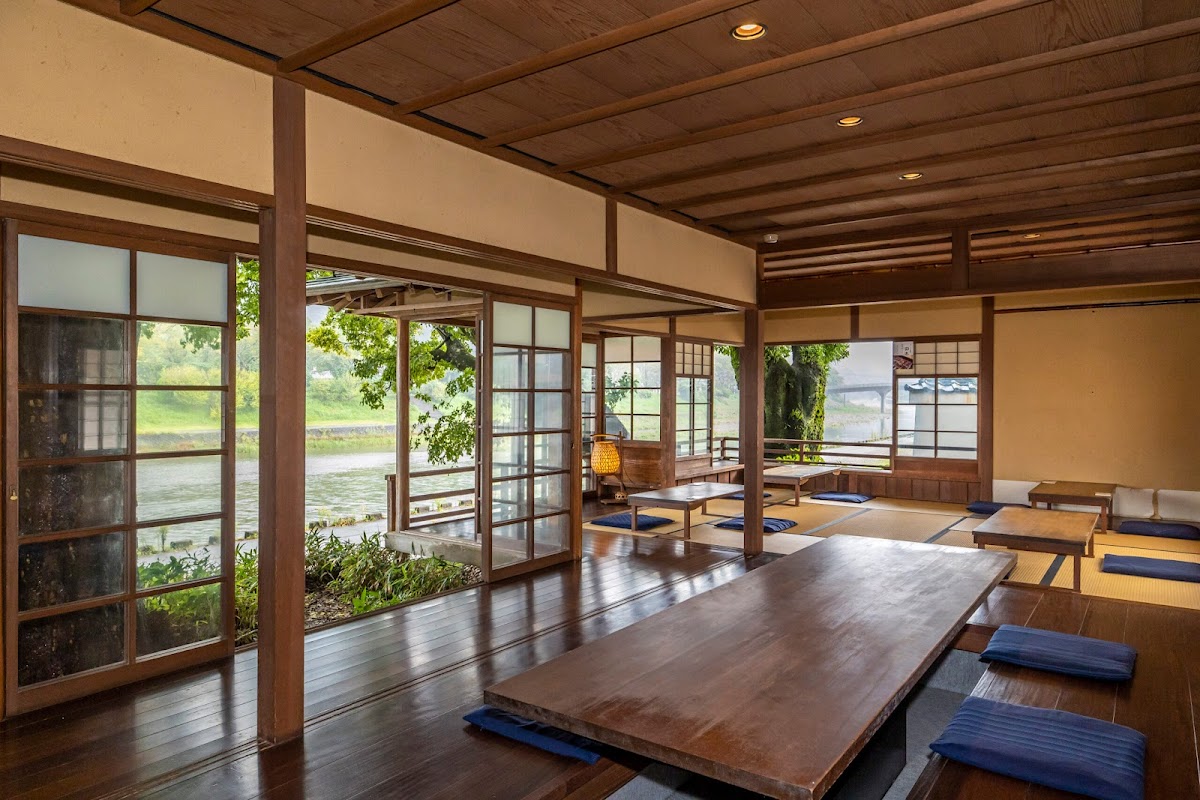
The dining room itself is understated, with wood interiors and natural light that makes you slow down whether you want to or not. Families, solo travelers, and older couples all share the space comfortably. That mix says a lot. Restaurants that survive on tourist traffic alone feel different; this one feels rooted. Menu prices are fair, especially considering the labor involved, and portion sizes are satisfying without leaving you heavy.
From a nutritional standpoint, tofu-backed meals like those served here align with research from the World Health Organization linking plant-based proteins to lower cardiovascular risk when part of a balanced diet. Of course, this isn’t a health lecture disguised as lunch, but it’s reassuring to know the comfort food also makes sense nutritionally.
There are limits to what anyone can verify from a single visit. I can’t speak for every seasonal menu change or rare busy-day slip, and like many traditional spots, English explanations may be minimal at peak times. Still, the warmth is unmistakable, and pointing at the menu works just fine.
Toufuya isn’t trying to impress you. It’s feeding you the way Ise has fed pilgrims for centuries, quietly, carefully, and with respect for ingredients. That confidence, backed by tradition and proven technique, is what keeps people coming back-and why so many reviews read less like critiques and more like thank-you notes.
Good to know
Service options
✓ Dine-in ✓ DeliveryPopular for
✓ Lunch ✓ DinnerAccessibility
✓ Wheelchair-accessible car park ✓ Wheelchair-accessible entrance ✓ Wheelchair-accessible seatingOfferings
✓ Alcohol ✓ BeerDining options
✓ Breakfast ✓ Brunch ✓ Lunch ✓ Dinner ✓ Dessert ✓ Seating ✓ Table serviceAmenities
✓ Smoke-free place ✓ ToiletAtmosphere
✓ Cosy ✓ QuietCrowd
✓ Groups ✓ TouristsPlanning
✓ Brunch reservations recommended ✓ Lunch reservations recommended ✓ Accepts reservationsPayments
✓ Credit cards ✓ Debit cards ✓ V-Money ✓ Credit cardsParking
✓ Paid parking lot ✓ ParkingPhotos
1 / 4
Location
Reviews
- No ratings yet 1014 reviews
Came with my large taiko group ksDon. We are here twice and the food was great both times. Enjoyable atmosphere. NB kaDon organised the vegan food specially. It may not usually be available
There are not many options for vegetarians/vegan but the staff as soon as I asked were very careful showing me the possible dishes I could have. Be careful that the ice cream contained dairy milk. The grilled miso tofu and fresh one was delicious! Really a must try and the place and view are also worth the visit!
The tofu combo is ¥ 1,300! It may be enough for even man. And the atmosphere is very good!!! After eating, go to the Riverside to walk if you have a time. I really recommend you to try this restaurant.
This tofu restaurant is to die for, silky smooth, texture was great from start to finish. For the amount you pay, it was totally worth every bit. They do serve tempura fish, which is another signature dish on the menu. The batter was light, not greasy at all. The fish, super fresh and moist. Great way to start your adventures in that area with some tofu for lunch!! While you're there, don't forget to try some grilled tofu with miso paste.
Quaint restaurant by the riverside. The sake tofu was our favourite out of the four types we tried, but the peanut one was unique and pretty good too! The anago was nicely grilled and seasoned too, but I think we prefer unagi, which is a fattier and thicker eel.
Great tofu restaurant in front of the river, hitsumabushi teishoku has lots of Anago on top of rice! This is second time for me to visit this place but will come back again!
Great food and a great spot! Amazing experience with not only the food but also ambience. Eating delicious comfort food while at a riverside spot is a soothing experience.